Jul . 29, 2024 15:32 Retour à la liste
Exploring the Benefits of Mealworms as a Sustainable Food Source for Students and Education
Mealworms for Students A Sustainable Learning Experience
In recent years, the concept of sustainability has permeated various aspects of education, urging educators and students alike to consider the environmental impact of their choices. One innovative way to engage students in discussions about sustainability, biology, and nutrition is through the incorporation of mealworms into the curriculum. These small, wriggling creatures may seem insignificant at first glance, but they offer a myriad of educational benefits that can inspire the next generation of environmentally-conscious citizens.
Mealworms for Students A Sustainable Learning Experience
One of the primary benefits of introducing mealworms into the classroom is the opportunity for students to engage in scientific inquiry. By observing the life cycle of mealworms, students can study their growth stages from larvae to pupae and finally to adult beetles. This hands-on experience fosters curiosity and critical thinking, two key components of effective science education. Additionally, by conducting experiments related to the factors affecting mealworm growth, such as temperature and humidity, students can learn about the scientific method in a practical setting.
mealworms for students
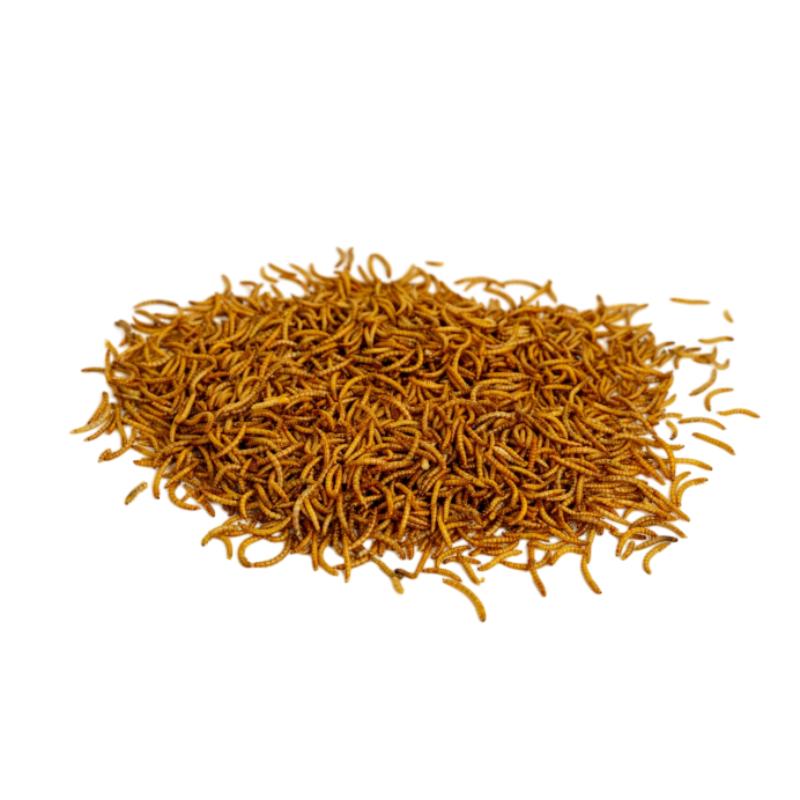
Another significant advantage of mealworms is their role in teaching students about waste reduction and composting. Mealworms can effectively break down organic waste, converting it into nutritious compost. By setting up a mealworm composting system in the classroom, students can learn about the importance of recycling food waste and how it contributes to a more sustainable ecosystem. This not only helps reduce the amount of waste that ends up in landfills but also provides students with a tangible way to see the results of their sustainability efforts.
Furthermore, mealworms can serve as an entry point to discussions about nutrition and food sources. With growing concerns over food security and the environmental impact of traditional agriculture, exploring alternative sources of protein like mealworms could be crucial. Students can analyze the nutritional composition of mealworms compared to conventional protein sources, fostering discussions about dietary choices and their implications for health and the environment.
Involving students in the process of raising mealworms also encourages responsibility and teamwork. Classroom activities can include feeding the worms, maintaining their habitat, and eventually sampling them in recipes, which adds a culinary dimension to their learning. This not only creates a sense of ownership and accountability but also encourages collaborative efforts among students as they share their findings and experiences.
In conclusion, integrating mealworms into the educational curriculum presents a unique opportunity for students to explore sustainability, biology, and nutrition in a hands-on manner. By raising awareness of alternative protein sources and waste reduction techniques, educators can foster a generation of environmentally-conscious individuals equipped to tackle the challenges of the future. As more schools embrace innovative teaching methods, the humble mealworm may very well become a prominent lesson in the larger narrative of sustainability and ecological stewardship. In doing so, students will not only learn about the world around them but also become empowered agents of change, ready to make a difference in their communities and beyond.
 French
  English
  Indonesian
  Japanese
  Korean
  Lao
Lao  Myanmar
  Portuguese
  Thai
Thai  Vietnamese