Sep . 11, 2024 05:15 Kembali ke daftar
Croston Corn Mill Mealworms - Sustainable Protein Source
Exploring the Intersection of Croston Corn Mill and Mealworms
Croston Corn Mill, located in Lancashire, England, is a historic site that has been milling grains since the 19th century. The mill not only represents the rich agricultural heritage of the region but also stands at the forefront of innovative food production practices. With the global population projected to exceed 9 billion by 2050, sustainable food sources are more critical than ever. This is where mealworms come into play.
Exploring the Intersection of Croston Corn Mill and Mealworms
Integrating mealworms with milling processes can enhance both the nutritional value and sustainability of food products. For instance, mealworm flour can be produced by grinding dried mealworms into a fine powder, which can then be blended with cornmeal from Croston. The result is a high-protein flour suitable for baking, cooking, and even as an ingredient in snacks. This innovative approach not only diversifies the product line of Croston Corn Mill but also appeals to health-conscious consumers seeking alternative protein sources.
croston corn mill mealworms
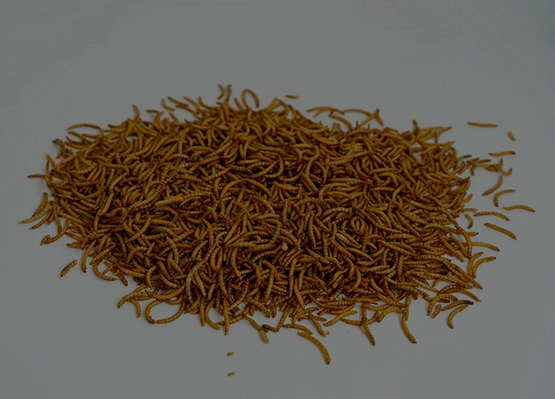
Moreover, the production of mealworms is environmentally friendly. Mealworms can thrive on organic waste, such as food scraps and agricultural byproducts, which aligns perfectly with the ethos of sustainable farming. By creating a closed-loop system where mealworms are fed on byproducts from the milling process, Croston Can Mill contribute to waste reduction while simultaneously generating a valuable food resource. This symbiotic relationship is a prime example of how traditional industries can adapt to modern demands.
In addition, embracing mealworm production may attract a new demographic of consumers interested in sustainability and holistic diets. As more people become aware of the environmental impact of livestock farming, they are searching for alternative sources of protein that are both sustainable and nutritious. By elevating mealworms to a mainstream food source, Croston Corn Mill can position itself as a leader in the innovative food movement, celebrating local traditions while embracing cutting-edge technology.
In conclusion, the integration of mealworms into the production processes at Croston Corn Mill represents an exciting opportunity to blend tradition with innovation. By exploring the potential of mealworms as a sustainable protein source, the mill can not only diversify its offerings but also contribute to a more sustainable food system. As the world seeks solutions to feed its growing population, the marriage of historical milling practices with modern entomophagy could serve as a beacon of hope in the quest for food security.
 Indonesian
  English
  French
  Japanese
  Korean
  Lao
Lao  Myanmar
  Portuguese
  Thai
Thai  Vietnamese