Nov . 26, 2024 21:50 リストに戻る
Nutritional Benefits of Mealworms for Squirrels in Backyard Habitats
Mealworms for Squirrels A Nutritious Treat or a Potential Risk?
In the world of wildlife feeding, mealworms have emerged as a popular choice for many enthusiasts looking to attract various species, including squirrels. These small, wriggly larvae of darkling beetles are often used in bird feeders and as bait for fishing, but their use as a food source for squirrels is less commonly discussed. This article delves into the nutritional benefits, potential risks, and ethical considerations of feeding mealworms to squirrels.
Nutritional Benefits
Mealworms are rich in protein, making them an attractive dietary supplement for squirrels. Protein is crucial for these animals, especially during the breeding season when they require extra nutrients to support their young. Furthermore, mealworms contain essential fatty acids, which are vital for maintaining healthy fur and providing energy. In fact, a diet high in protein can boost the overall health of squirrels, promoting vitality and longevity.
Additionally, mealworms are an excellent source of vitamins and minerals. They contain significant levels of vitamin B12, riboflavin, and phosphorus, all of which are beneficial for maintaining a strong immune system and ensuring proper bodily functions. For squirrels, which are naturally omnivorous, the addition of mealworms can help diversify their diet, ensuring they receive a well-rounded intake of nutrients.
Feeding Guidelines
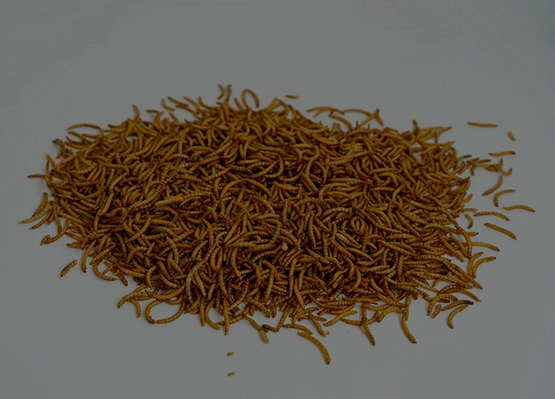
When considering mealworms as a food source for squirrels, there are a few important guidelines to follow. It's best to offer dried mealworms rather than live ones, as the latter can pose a risk of escape and may attract unwanted pests. Dried mealworms are easily accessible and can be purchased at pet stores or online.
Moderation is key. While mealworms can be a nutritious treat, they should not constitute the entirety of a squirrel’s diet. Squirrels thrive on a varied diet that includes nuts, seeds, fruits, and vegetables. Over-reliance on mealworms might lead to imbalances in their diet, potentially affecting their health negatively. The right approach is to offer mealworms as an occasional treat rather than a staple food.
mealworms for squirrels
Potential Risks
Despite their benefits, there are some risks associated with feeding mealworms to squirrels. One of the primary concerns is the potential for obesity. Mealworms are high in fat, and if offered in excessive quantities, they can lead to weight gain in squirrels. This can result in various health issues, including diabetes and heart disease. Additionally, squirrels that become reliant on mealworms may neglect their natural foraging behaviors, impacting their ability to find food independently.
Another consideration is the potential for digestive issues. While squirrels can digest a range of foods, a sudden increase in high-protein diets, like that from mealworms, can lead to gastrointestinal problems. It’s essential to introduce mealworms gradually into their diet, monitoring their response closely.
Ethical Considerations
From an ethical standpoint, feeding wild animals like squirrels raises questions about dependency and natural behavior. While it can be tempting to provide a supplemental food source, it's crucial to consider the long-term implications. Squirrels are wild creatures that have adapted to find food in their natural habitat. Relying on human-provided mealworms may disrupt their foraging skills and survival instincts.
Moreover, feeding wildlife can unintentionally alter their behavior, making them more reliant on human sources of food. This can lead to increased risks of conflict with humans, such as scrounging around homes or gardens for food. It’s important to practice responsible feeding habits if one chooses to do so—always offering food in a way that encourages natural behaviors and does not create dependency.
Conclusion
Providing mealworms to squirrels can offer a nutritious supplement to their diet, but it comes with its own set of concerns and responsibilities. By understanding the nutritional value, adhering to feeding guidelines, and considering the potential risks and ethical implications, wildlife enthusiasts can make informed decisions about how best to support their local squirrel populations. Ultimately, the goal should be to encourage healthy, natural behaviors while providing occasional treats that enhance the well-being of these lively creatures.
 Japanese
  English
  French
  Indonesian
  Korean
  Lao
Lao  Myanmar
  Portuguese
  Thai
Thai  Vietnamese